“The history of the bow and arrow is the history of mankind.” Fred Bear
Toxophilite [tok-sof-uh-lahyt] (n.): A student or lover or archery. Etymology: From Toxophilus, the title of a 1535 book by Roger Ascham intended to mean ‘lover of the bow.’ The word derives from the Greek toxon (bow) and philos (loving).
Archery (n.): The art, practice, or skill of shooting with a bow and arrow.
Human civilisations throughout history have utilised the bow and arrow for hunting, warfare, or sport. As a result, the bow holds a significant place in historical records, reflecting the unique cultures, environments, and technological advancements of the people who wielded them. It is no coincidence that the bow and arrow were developed independently across nearly every continent.
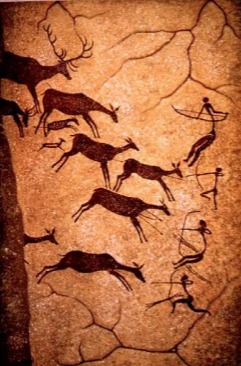
The earliest evidence of archery surfaces in South Africa at Sibudu Cave, where bone and stone points dating back approximately 61,000 years (c. 59,000–60,000 BCE) suggest the use of arrowheads. Later, in the Iberian Basin, cave paintings dating to the Mesolithic period provide some of the first visual depictions of archery used in both hunting and combat. From the composite bows of the East to the longbows of the West, archery has remained a foundational element of human progress.
While the tactical value of archery in warfare eventually declined with the rise of firearms, its military use persisted longer than many realise. One of the final ‘official’ exits of the bow from the theatre of war occurred in 1826, following the modernisation of the Ottoman army, when traditional mounted archers were phased out from the order of battle.
Yet, archery has always been more than a weapon; it is a ‘noble art.’ This status is evident in the Zhou Dynasty of East Asia, where it was codified as one of the ‘Six Noble Arts,’ and in the Islamic world, where archery held profound spiritual and cultural importance. Today, this legacy is preserved through traditional clubs and the high-stakes competition of the modern Olympic Games, ensuring that the art of the toxophilite remains alive.